Watch the pattern around your own home.
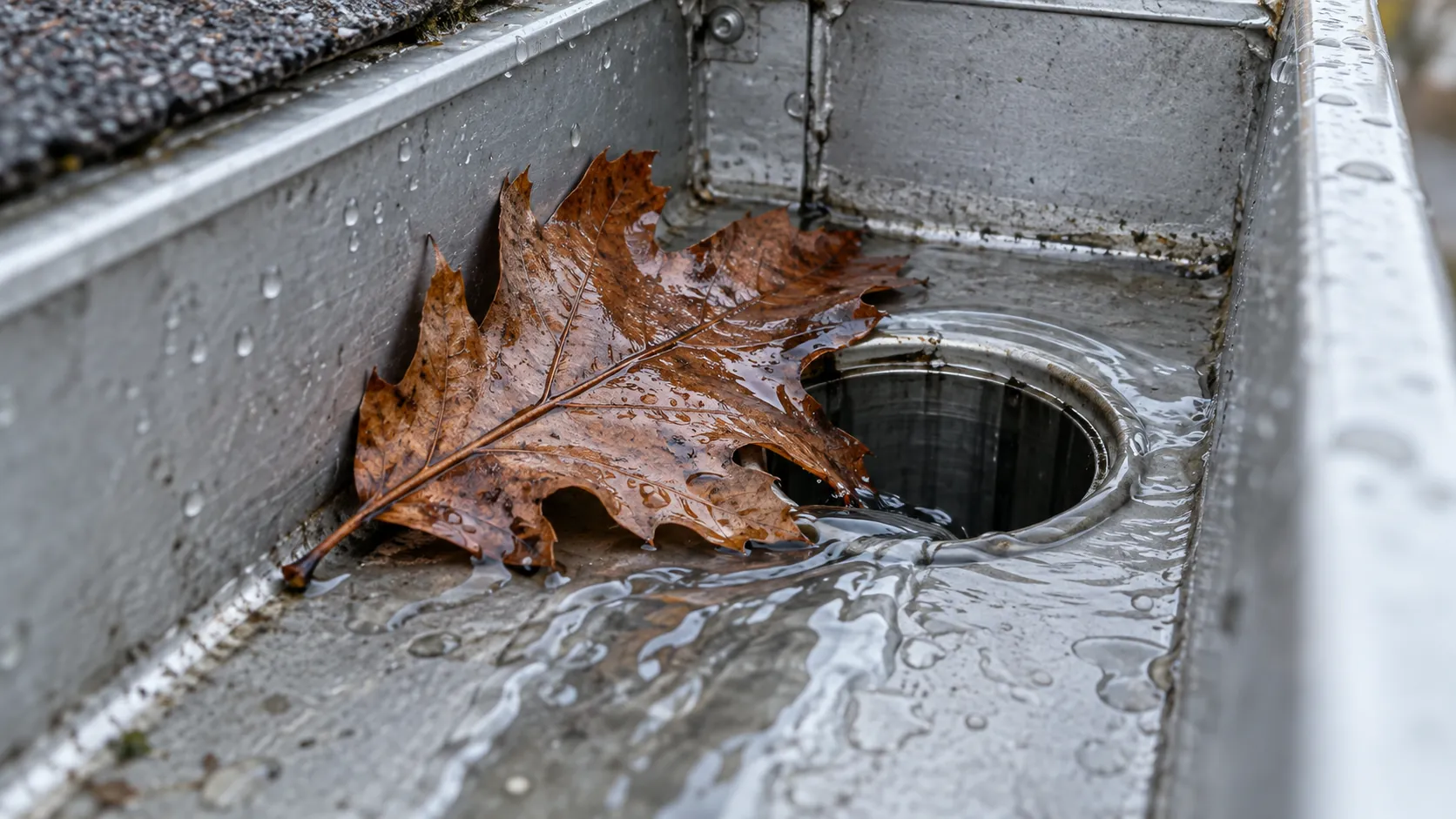
Trees, roof layout, wind, and fitted guards influence where leaves collect. Record the sides or corners that gather debris and note whether nearby trees are still shedding. You do not need to choose a universal date for every home on the street. Describe the present condition and the concern you want assessed. If overflow has occurred, identify the affected run or downspout. Observations from a safe ground-level view are enough to start a quote conversation without making a separate inspection on the roof.
Record where leaves gather
Note the sides and corners that collect visible leaves, along with nearby trees that are still shedding. Keep this observation separate from assumptions about the gutter channel underneath. A short location record helps explain the present concern and gives you something useful to compare after later leaf fall.
Include guards, height, and access early.
A gutter request should show the number of stories, the visible gutter arrangement, and anything that changes access around the building. Gates, extensions, covered patios, steep ground, and dense planting can all be relevant. If guards are fitted, share the product details you have and photos of their visible condition. Cleaning access and any proposed removal or refitting must be discussed before the quote is agreed. Repairs, replacement components, and underground drainage work should remain separate from the planned debris-removal scope.
Explain access before choosing a day
Add a wide view of extensions, covered patios, gates, planting, and changes in ground level around the affected gutter run. Mention fitted guards and the number of stories. These details can influence what is accessible, so they belong in the assessment before an appointment or removal method is assumed.
Review the result and the next observation.
After the agreed work, discuss what was accessible, what was removed, and whether any visible concerns remain. A clean does not repair a damaged gutter or establish the condition of every concealed pipe. Continued leaf fall may also change the situation after the visit. Rather than assuming a fixed repeat interval, note how the system performs and raise new concerns when they appear. Any recommendation for another assessment should be based on the property and the remaining conditions, with the scope clear before more work is arranged.
Know what to observe next
After the visit, keep the agreed scope and any reported concerns with your property notes. Observe later conditions from a safe ground-level position and identify new buildup or continued overflow precisely. Another assessment should have a clear purpose, rather than being treated as an automatic repeat of the same task.