Follow the path from beginning to end.
A useful walkway photo shows the full route, including bends, narrow sections, steps, and the area at the door. Identify where the clean should begin and stop. A path may change from concrete to brick or stone along the way, so include each material and any decorative edging. Loose paving, cracked steps, worn finishes, and damaged joints should be noted before cleaning. These details help define a practical scope and the appropriate method for each section rather than treating the route as one uniform surface.
Plan around the spaces beside the paving.
Walkways often run close to planted borders, fences, painted trim, doors, or low windows. Point out sensitive areas and any fixtures that cannot be moved. If the route is shared with another property or is the only way into the house, mention that when arranging access. The quote can then identify the work area and the preparation that applies to it. Cleaning the path does not automatically include adjoining walls, garden furniture, railings, or entry doors; list those separately if they also need attention.
Assess dark patches and uneven appearance.
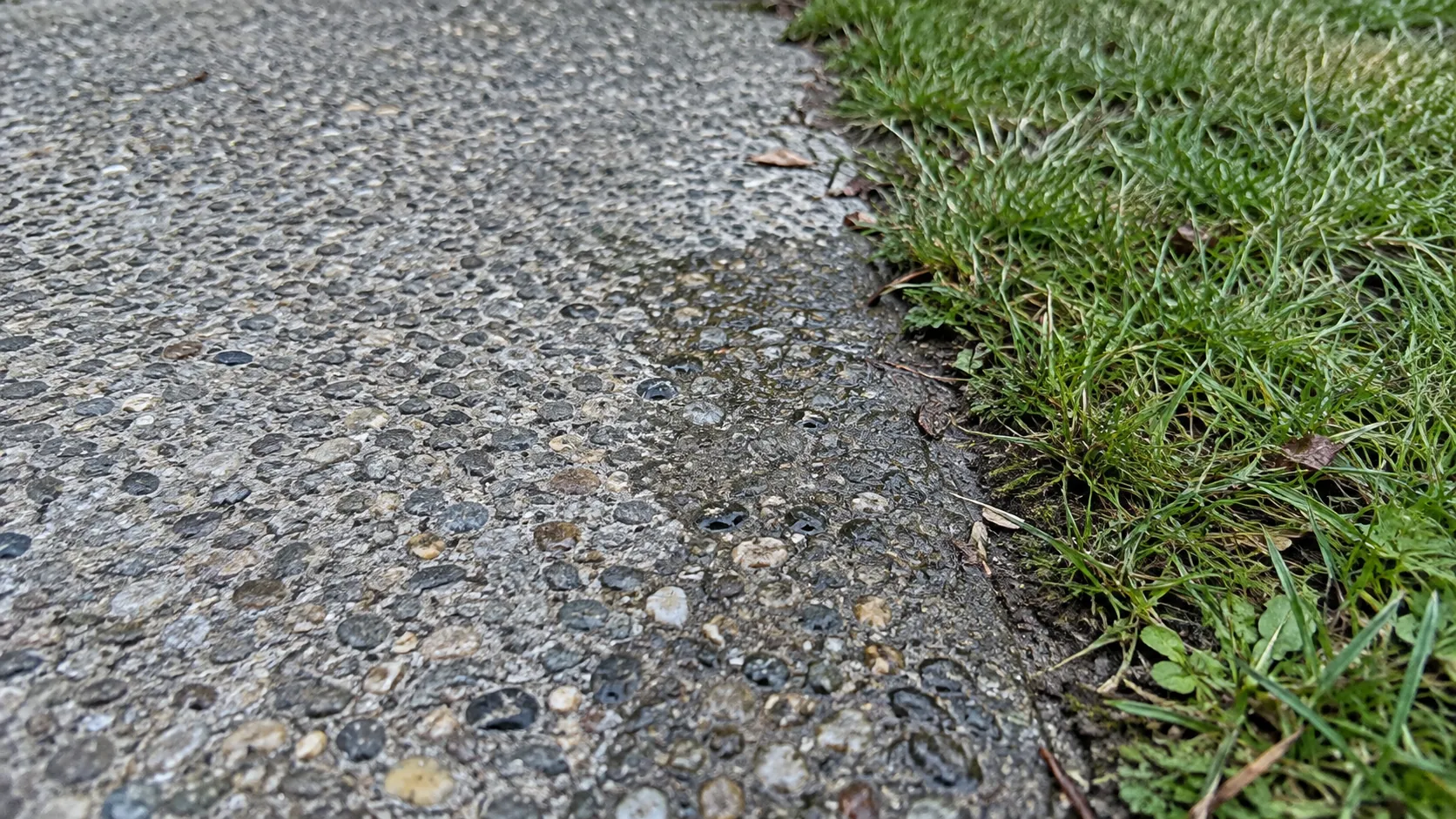
Shade, accumulated dirt, leaves, and differences in the surface can all change how a path looks. A dark patch is useful information, but a photograph alone may not establish its cause or how fully it will respond. Add a close-up and describe whether the area stays damp, collects leaves, or has been treated before. The assessment should distinguish suitable cleaning from repairs or persistent discoloration. Clearing buildup can improve the appearance, but a clean is not a promise that every section will become the same color.