Treat the porch as a collection of materials.
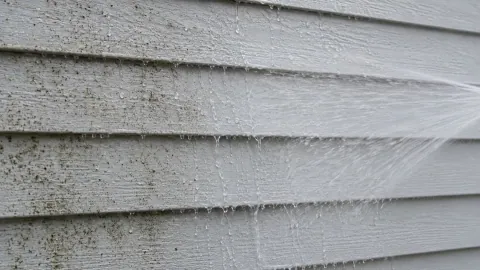
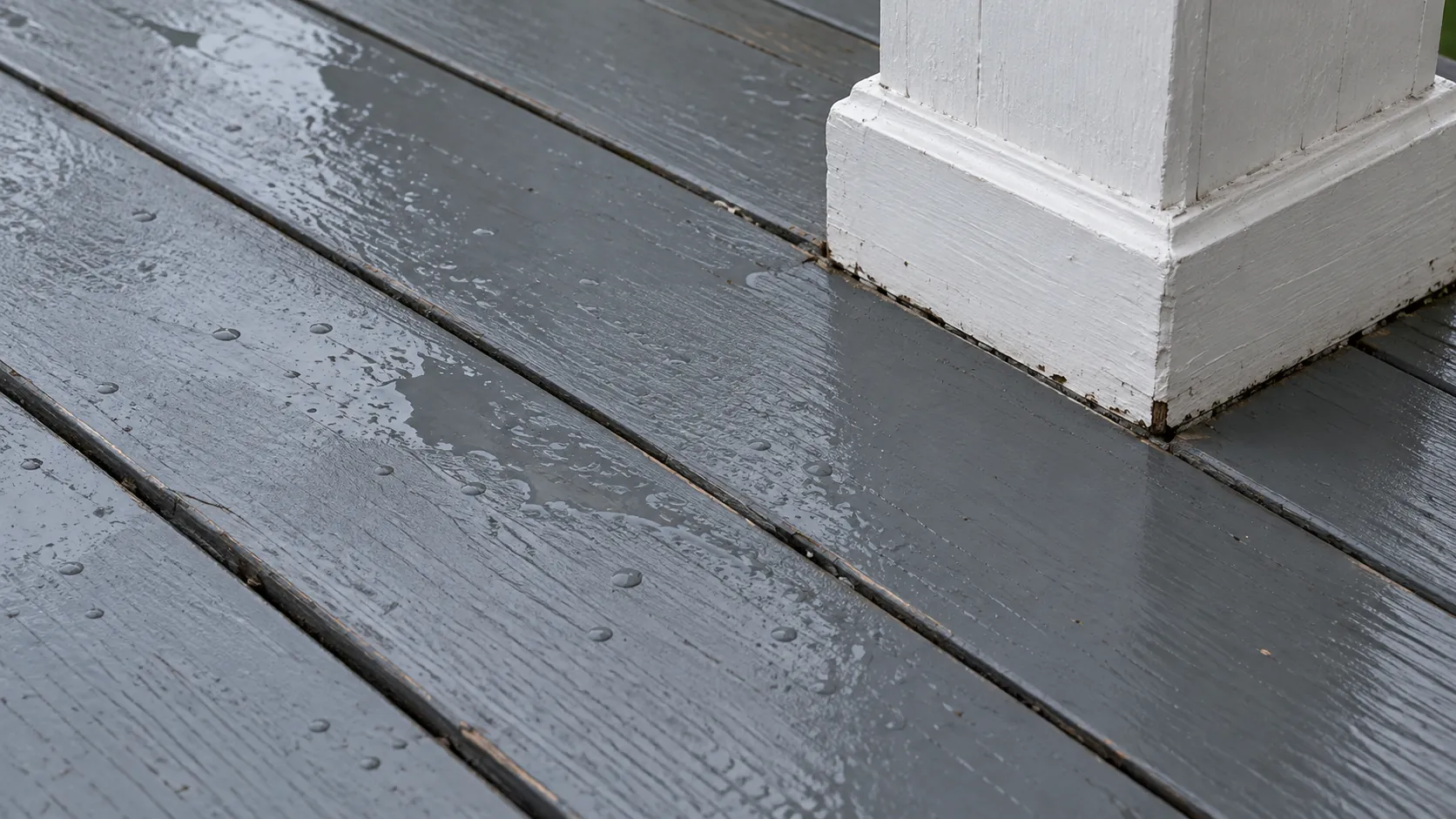
The floor may need a different approach from the columns, trim, ceiling, or adjacent siding. Photograph the complete porch and identify the sections you want included. Mention wood, concrete, tile, brick, paint, or other finishes you can recognize, along with visible wear or earlier repairs. A sheltered area can also hold fixtures and furnishings close to the work. The assessment should establish suitable cleaning for each agreed surface instead of assuming that everything within the porch can be washed in the same way.
Make enclosed and screened areas clear.
A screened porch, glazed enclosure, or partly open entry has different access and preparation considerations. Include how the space is reached and whether screens or panels can be removed. Point out electrical fixtures, outlets, doors, windows, and any places where water has caused problems before. These details help determine what is feasible and which areas require a different approach. Screen removal, screen repairs, interior furnishings, and detailed window work should be listed separately rather than assumed to come with an exterior porch clean.
Agree on the preparation and boundaries.
Loose belongings, rugs, cushions, planters, and furniture can prevent access to the surfaces beneath them. Discuss what you can clear before the visit and what must stay in place. If a fixed item leaves a section inaccessible, the quote should make that limitation clear. Cleaning is separate from repainting, wood restoration, repairs, or treatment of damaged finishes. A simple list of the floor, steps, columns, trim, or other agreed details makes the scope easier to review before the appointment and when the work is complete.