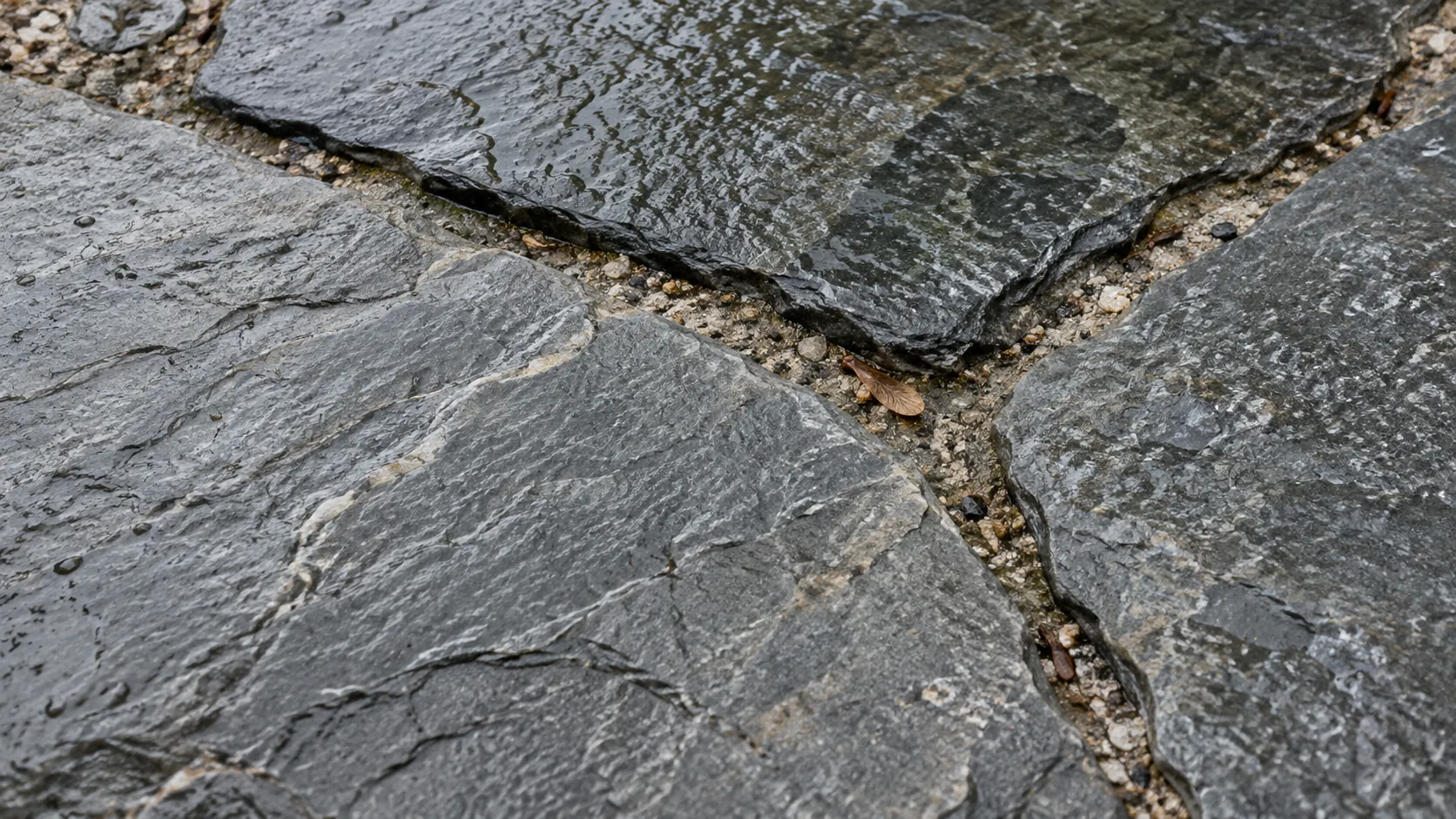
One patio can contain several finishes.
A patio may combine concrete, pavers, stone, painted edges, metal furniture, and nearby wood. Share a wide photo that shows these changes rather than photographing only the dirtiest section. Note any surface coating or sealer you know about, along with loose paving, missing joint material, cracks, or previous repairs. The cleaning method should suit the assessed material and condition. Work that crosses from one finish to another needs a clearly defined scope rather than a single approach applied across everything.
Agree on what moves and what stays.
Tables, grills, planters, storage boxes, and outdoor rugs can hide areas or limit access. Explain which items can be moved before the visit and which are fixed or too heavy to handle. Include steps, tight routes through a gate, and any part of the patio beneath permanent fixtures. This helps establish the usable cleaning area and the preparation needed. Furniture cleaning, moving heavy items, and cleaning cushions or fabrics are separate tasks and should not be assumed to be part of a patio wash.
Separate cleaning from the next maintenance job.
Cleaning may make joint condition, older patches, or differences in the finish easier to see. It does not level settled paving, replace joint material, repair cracks, or renew a coating. If you are considering sealing or another maintenance project, mention that before agreeing on the clean so expectations are clear. The written quote should identify the patio sections, any assessed stain treatment, and exclusions. Take a final look when the surface has dried enough to judge it fairly in its usual setting.