Walk the hard surfaces first.
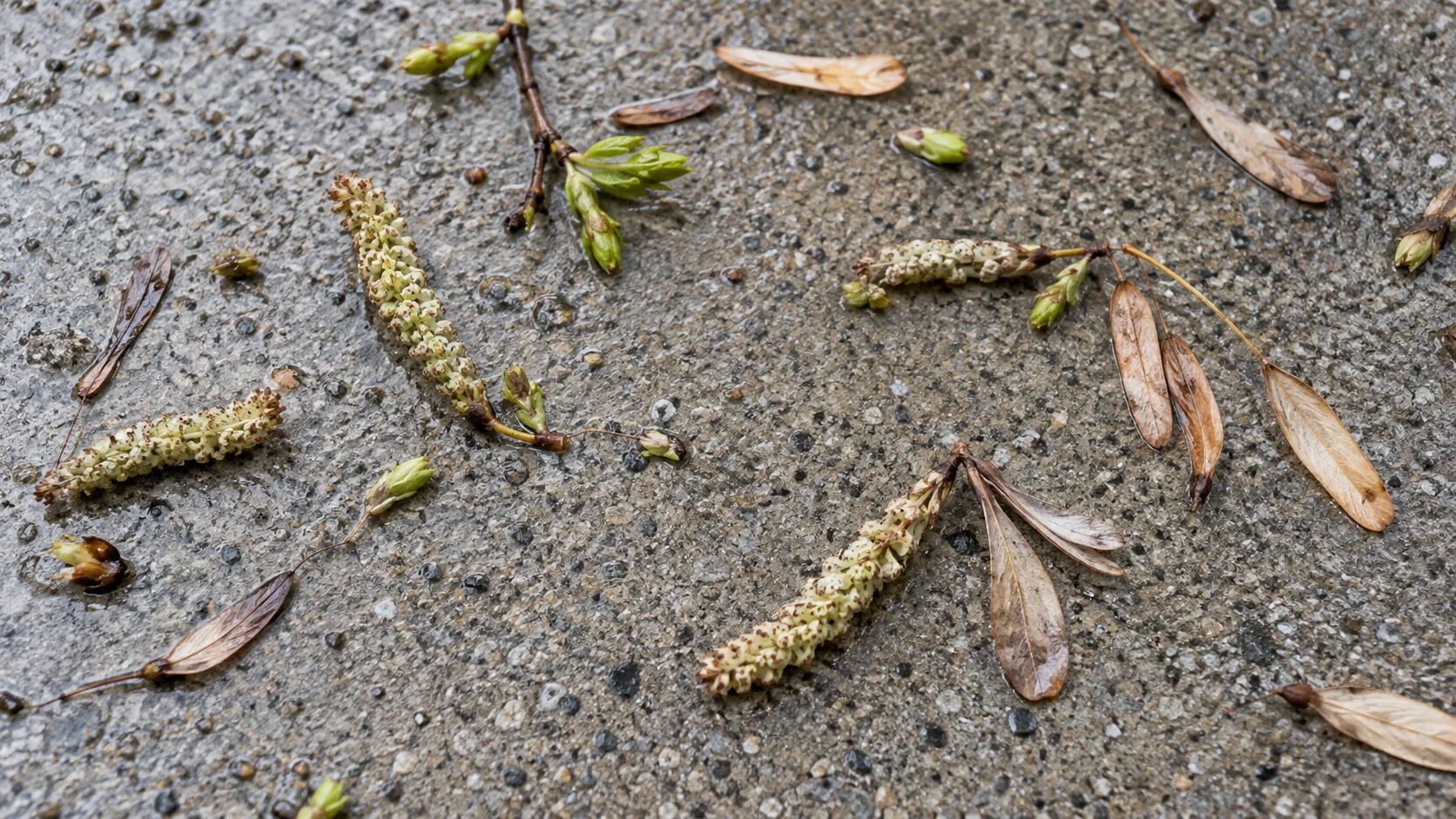
Look across the driveway, front walk, steps, and patio from ordinary ground-level viewpoints. Notice accumulated dirt, leaves, areas that stay damp, and changes in the paving itself. Photograph any cracks, loose sections, missing joint material, or earlier patches along with the buildup you want removed. A list of the actual areas is more useful than a request to clean everything outside. It also helps separate a suitable hard-surface clean from repairs or finish work that should be considered before the cleaning plan is confirmed.
Choose a useful inspection route
Start at the front approach, follow the paths you use most, and finish at the patio or other outdoor space. Record dirt and debris separately from cracks, loose paving, and finish changes. A consistent ground-level route makes it easier to compare this season's observations with a later check.
Review walls, windows, and rainwater routes.
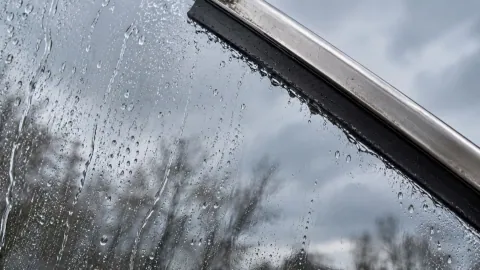
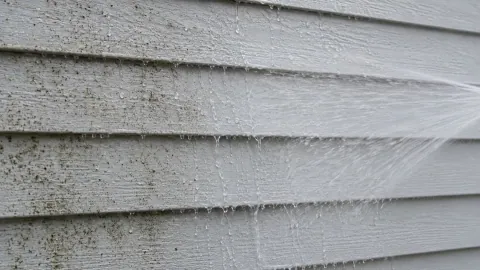
Take a wide view of each side of the home and note which siding or trim looks different from your last check. Include any loose paint, damaged seals, or known leaks in the request. For windows, record the approximate count, stories, screens, and special marks. For gutters, note visible debris and any overflow you have already observed. These are observations for an assessment, not a diagnosis. House washing, exterior glass, and gutter cleaning are separate scopes that can be discussed together when you know your priorities.
Group observations by service
Keep separate notes for the house exterior, glass, gutters, and hard surfaces. A single photo may show several concerns, but each one can require a different scope. This grouping helps you explain priorities clearly and prevents one request for a house wash from silently becoming a request for every outside task.
Choose a manageable set of priorities.
Decide what matters most now: a patio you want to use, a driveway with buildup, exterior glass, or gutters that need checking. Let the condition and your plans guide the request rather than assuming the entire property needs an annual package. Mention upcoming work such as painting or a surface repair, because it may affect the sequence. Once the scope is agreed, discuss access and preparation. Coverage and appointment timing are confirmed for the property; a seasonal checklist is not a guarantee that every service can be completed together.
Decide what matters this season
Put the areas you plan to use first at the top of the list, then add concerns that need assessment before other work. You may choose only part of the property now. A smaller, clearly described request is easier to evaluate than an undefined instruction to refresh the entire exterior.