
Where water pressure can be appropriate.
Pressure washing uses water pressure as part of the cleaning action and can be suitable for assessed hard surfaces such as concrete. That does not make every driveway, paver, coating, or masonry detail interchangeable. The finish, joints, age, visible damage, and any earlier treatments still matter. Ask what areas the proposed method covers and what has been excluded. An assessment should identify the actual surface and the result being sought, rather than choosing a method from a broad label like patio or driveway alone.
Identify the material underneath
Start with a simple material list: poured concrete, individual pavers, painted trim, siding, and glass. Treat each change as a separate area in the request. A driveway that includes a coated parking pad and a paved border needs more description than a single label or total measurement.
Point out earlier work
A coating, repaired joint, or recently patched section can be easy to miss in a wide photograph. Add close views and any product or contractor notes you already have. You do not need to identify an unfamiliar finish yourself; explain what is known and where the uncertainty remains.
What a soft-washing approach changes.
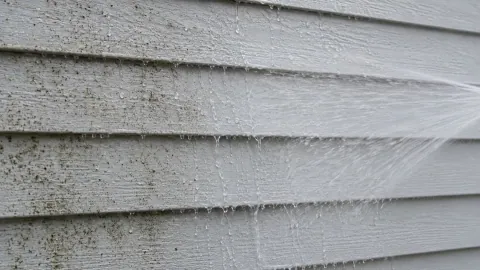
Soft washing combines lower pressure with a cleaning solution suited to an assessed exterior. It is often discussed for house siding and related details, where finish and installation deserve close attention. Lower pressure does not remove the need to assess loose paint, damaged seals, open joints, or material guidance. Nor does a house wash automatically include dedicated window cleaning or roof work. The useful question is how the proposed approach fits your particular siding and condition, and which exact areas are included in the written scope.
A lower-pressure wash still needs assessment
When discussing a house wash, identify loose sections, gaps, peeling paint, and any history of water entering the building. Include these concerns even if the visible dirt is elsewhere. The assessment should establish the suitability of the surface and the scope before a particular method becomes the plan.
Separate siding from surrounding details
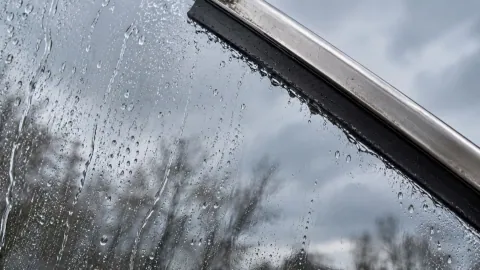
Use a photo to mark the siding, porch trim, exterior glass, and roof edge as different items. Ask which are included in the proposed house wash. This avoids treating everything visible in the picture as an agreed service and makes it easier to request dedicated glass or gutter cleaning separately.
A property may need more than one approach.
A concrete drive, painted porch, siding wall, and glass window may sit only a few feet apart yet need different treatment. Share a complete view of the areas you want cleaned and point out changes in material. The quote should distinguish the surfaces, methods, preparation, and limitations. If another contractor has applied a coating or made a repair, provide any information you have. Choosing a plan for each surface helps establish realistic expectations and avoids making a single cleaning method the answer to every exterior concern.
Build a surface-by-surface plan
For each area, write down the material, the concern, known damage, and the result you hope to see. Keep that short list beside the quote. It gives you a practical way to check whether the proposed approach and exclusions address the actual parts of the property you wanted assessed.
Recognize the limits of cleaning
Ask whether a remaining mark is expected, needs a separate treatment assessment, or belongs to the finish itself. A cleaning method should not be described as a repair for cracks, failing paint, or damaged seals. Those distinctions help you decide whether cleaning is the useful next step for that area.