Count in a way the photos can explain.
A home may have individual panes, grouped windows, divided glass, doors, and other glazing that people count differently. Give an approximate count and include wide photos of each side so the request does not depend on a number alone. Note the number of stories and any glass above a porch, extension, or enclosed area. Identify which windows you want included rather than assuming every piece of glass is in scope. An assessment can establish the final count and access when the layout is difficult to describe.
Count and photograph by side
Organize the request into front, back, and the two sides of the home. Give an approximate count for each photograph and identify any glass doors or high windows separately. This keeps a grouped window from being confused with several unrelated openings and makes missing areas easier to spot.
Describe the route to the glass
Note glass above a porch roof, behind planting, beside a narrow passage, or beyond fixed furniture. Mention gates or areas that cannot be reached from outside. The useful detail is the physical access available to the agreed window, rather than only its height or the home's number of stories.
List screens, frames, and tracks separately.
Exterior glass is one task; screens, tracks, frames, and interior glass can involve different work. Tell us which extras you want assessed and how the screens are fitted if you know. Mention any screens that cannot readily be reached, damaged frames, loose components, or a history of failed seals. The written quote should name the included details. This makes it easier to compare requests and avoids assuming that the word windows includes every surrounding part on both sides of the house.
Create a short screen inventory
Identify which windows have screens and whether they are fitted outside, inside, or in an unfamiliar arrangement. Mention loose or damaged screens without removing them just to investigate. Ask the quote to distinguish access to the glass from any separately agreed screen removal, cleaning, and refitting work.
Write the extras as separate lines
List outside glass, inside glass, detailed frames, tracks, and screens as individual requests. You can then see exactly which items the quote includes. This is especially helpful when comparing proposals, because a single line called window cleaning may describe a different collection of tasks in each one.
Distinguish everyday buildup from special marks.
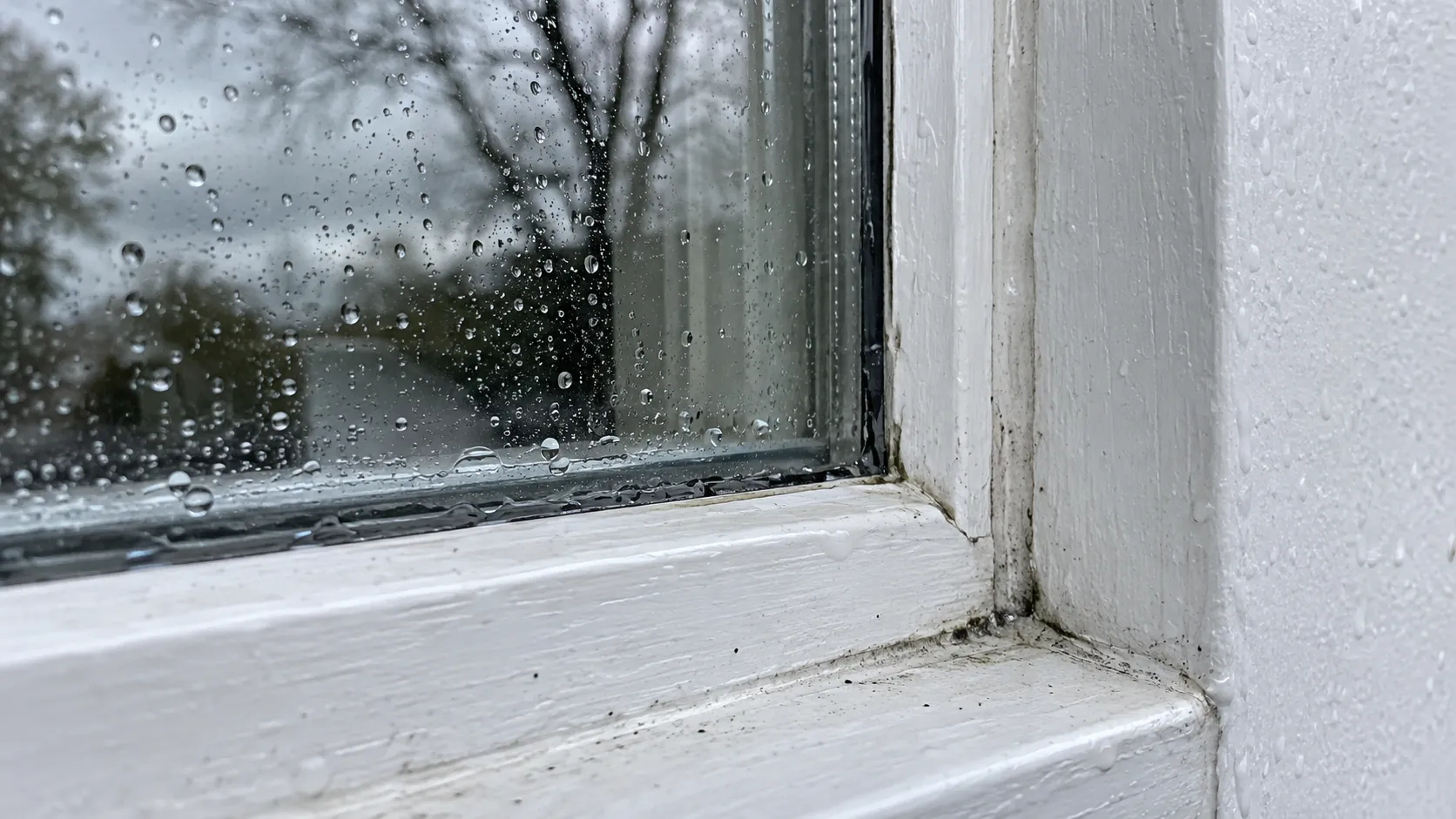
Dust and ordinary weather marks differ from mineral deposits, paint, adhesive, or construction residue. Add close-up photos and describe any work recently carried out near the glass. Information about coatings or special glass, if available, also belongs in the assessment. Avoid assuming that a stronger cleaning approach will remove a persistent mark without affecting the surface. The proposed scope should identify what can be attempted, which concerns need further review, and any marks that may remain after the agreed exterior clean.
Photograph persistent marks closely
Include one photograph that shows where a mark sits and another close enough to show its appearance. Mention recent decorating, building work, or any known spill. Do not assume a close-up proves the cause; the goal is to show why a separate assessment may be needed for that part of the glass.
Share information about special glass
If you have product details for a coating, film, or unusual glazing, keep those with the request. Explain any existing scratches, failed seals, or earlier issues you know about. Missing documentation is not a reason to guess: note the uncertainty so it can be considered before the cleaning scope is agreed.