Give the mark some context.
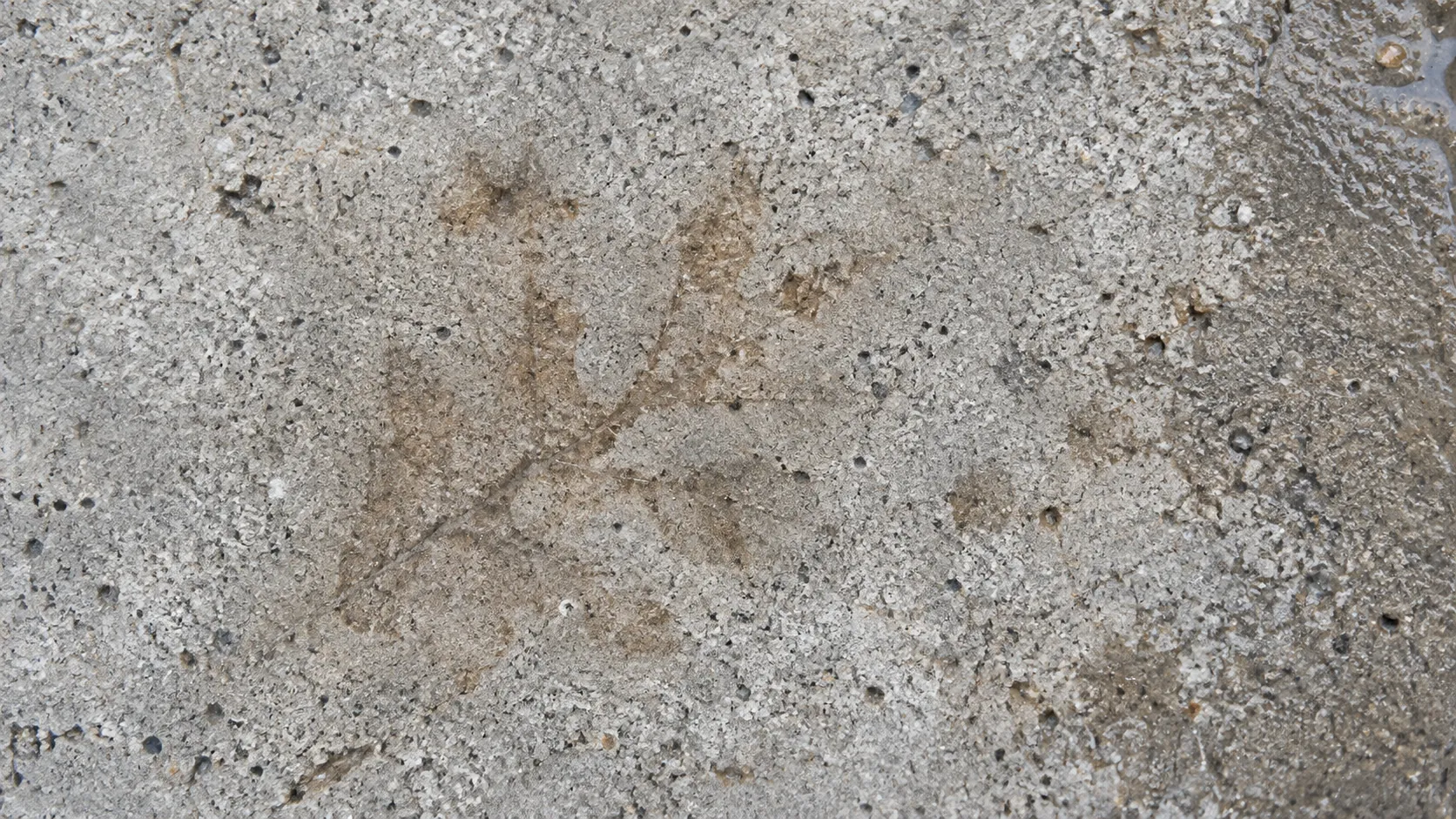
Describe where the mark sits and what you know about it. A parking area, a spot beneath metal furniture, a painted edge, and a shaded corner provide different context. Add a wide view of the concrete and a close-up of the concern, then mention any known spill or previous cleaning attempt. It is fine not to know the cause. Photos can guide the first conversation, but they may not establish how deeply a mark has affected the surface or whether it will respond to the proposed clean.
Make a simple mark record
For each concern, note its location, approximate size, how long you have noticed it, and any spill or treatment you know about. Leave the cause unknown when you are unsure. This keeps the assessment focused on the actual mark and avoids treating a visual guess as a confirmed explanation.
Separate a clean from restoration.
Removing general buildup is different from addressing oil, rust, paint, adhesive, or changes in a coating. Some marks may need a separate treatment assessment, and others may remain visible. A clean also does not erase cracks, repair spalling, level a surface, or make old patches match the surrounding concrete. Ask which concerns the quote addresses and which are excluded. This is more useful than treating a lighter appearance as a guarantee that the material will become uniform or return to a particular original color.
Separate appearance from condition
A clean can be discussed alongside visible cracks, patches, worn coating, or changes in the concrete, but those are different concerns. Ask which items the proposed work addresses. If an appearance issue remains outside the cleaning scope, keep it as a separate question rather than assuming another wash will resolve it.
Compare the result under useful conditions.
Water and light can change how concrete appears in a photograph. A wet area may look darker than a dry one, while shade can make adjacent sections seem different. When reviewing the agreed work, allow for drying and compare the surface in reasonably similar conditions. Look at the actual areas and concerns in the scope rather than expecting a dramatic marketing image. Keep notes about remaining marks or finish differences so any further assessment can focus on a specific issue instead of repeating a general wash without a clear purpose.
Compare photographs fairly
Use a similar viewpoint and reasonably similar light when comparing the surface before and after work. Note whether each photograph shows wet or dry concrete. These details do not determine whether a stain can be removed, but they make the visual comparison clearer and help describe any remaining concern accurately.